
From seed to forest: how tree planting actually works
“We planted a tree for you” is easy to say. Here’s what actually has to happen — from a seed in a tray to a young tree that can stand on its own.
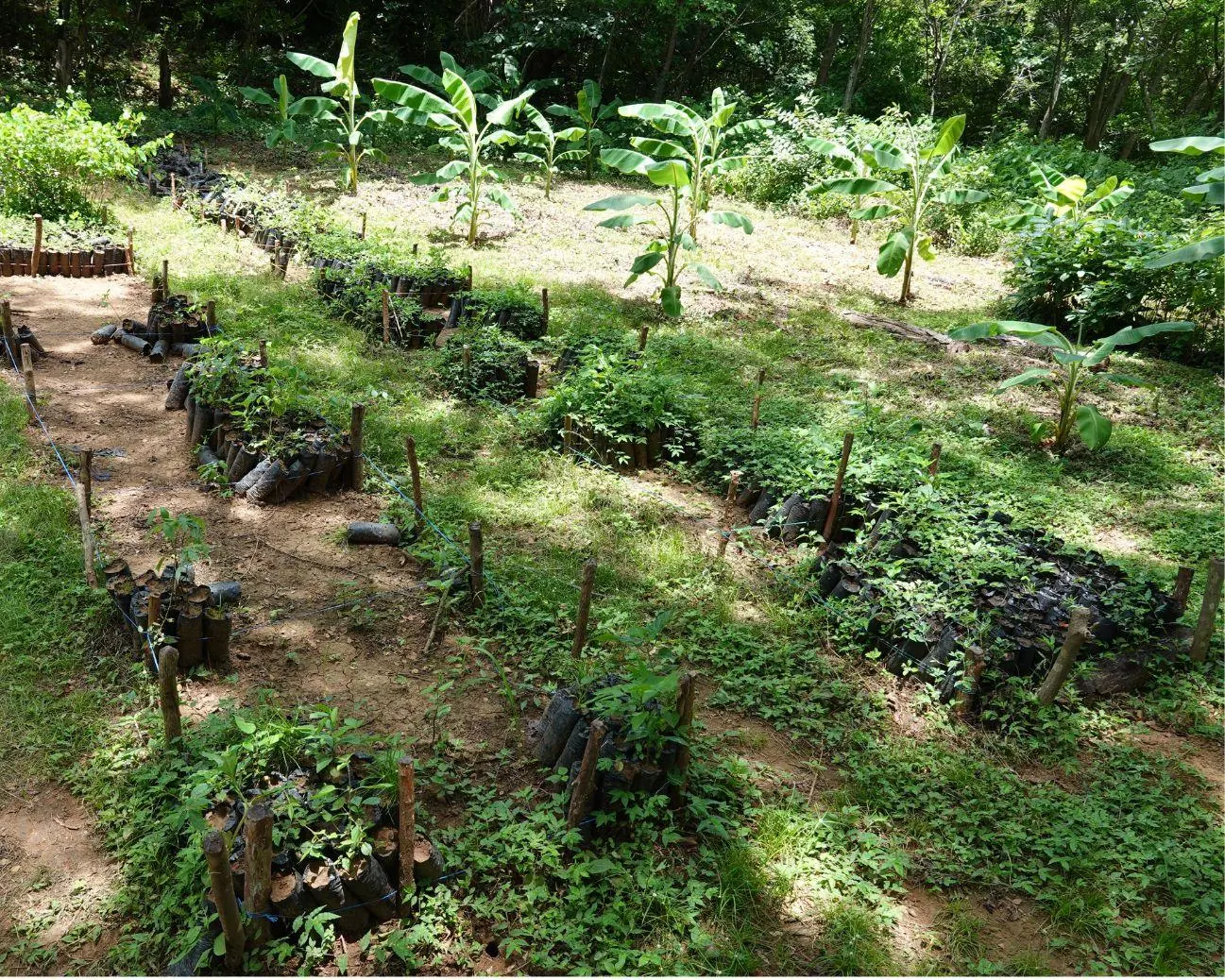
Most people never see the work behind a tree-planting project. That’s a shame, because it’s genuinely interesting — and knowing how it works is the best way to tell a serious project from a nice-sounding promise. Here’s the journey, step by step.
1. Choosing the right trees
Everything starts with the species. Good projects plant native trees: species that naturally grow in the area, suit the local soil and rainfall, and support local birds, insects and other wildlife.
Planting a mix of species matters too. A single-species block is more vulnerable to one pest or disease. A mix behaves more like a natural woodland and is more resilient over time.
2. Collecting seeds
Seeds are usually collected from healthy, local parent trees. Local seed is better adapted to the local conditions than seed shipped in from far away. Some seeds can be sown right away; others need cleaning, drying or a cold period before they’ll sprout.
3. Growing in the nursery
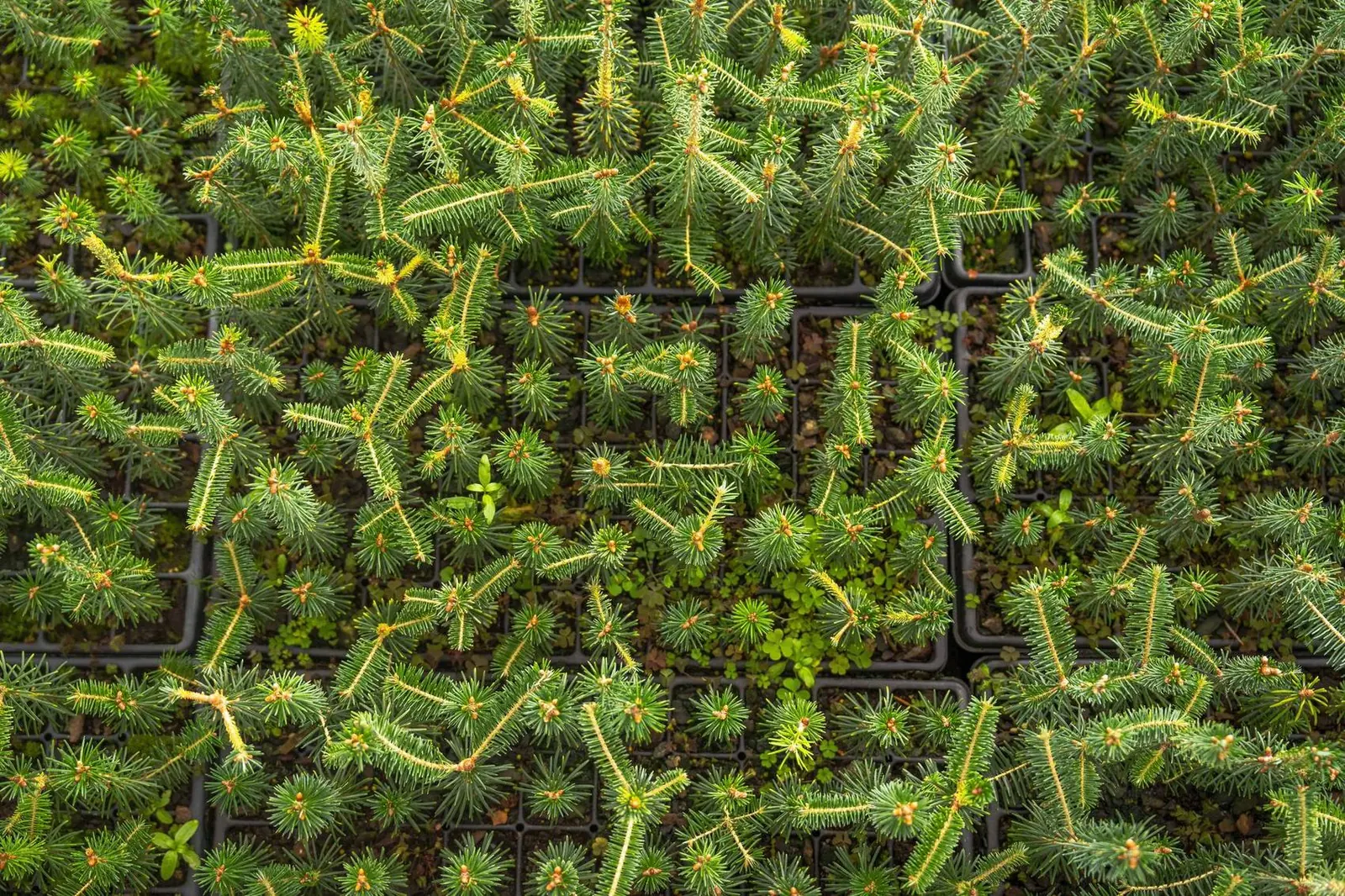
Seedlings spend their first months in a nursery, typically somewhere between three and twelve months depending on the species. Here they’re protected from heat, heavy rain and hungry animals, and watered every day.
Some are grown in trays with deep cells, which encourage straight roots. Others are moved into small soil-filled bags as they grow.
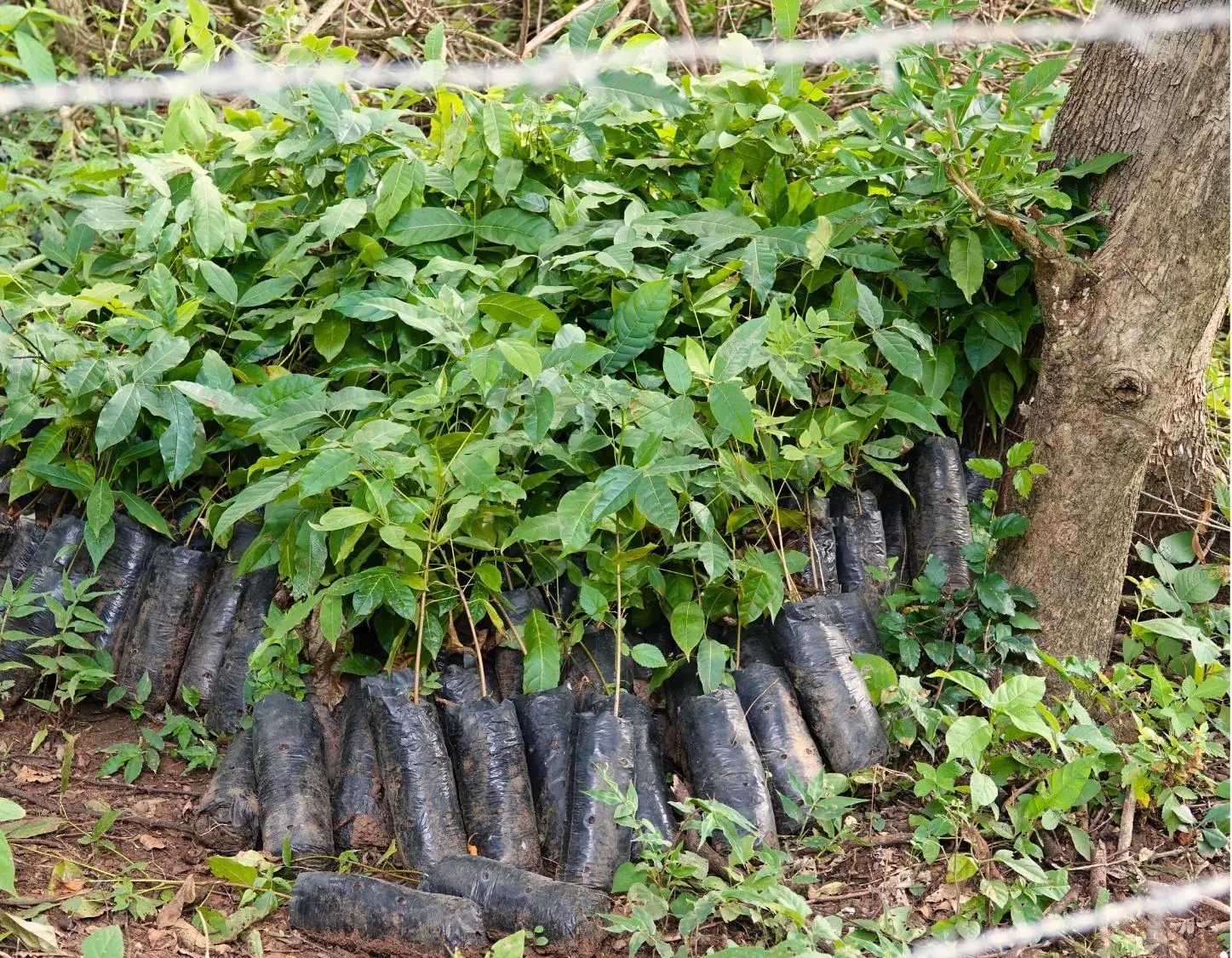
Before planting, seedlings are often “hardened off”: given less water and more sun for a few weeks so the move to the open site isn’t a shock.
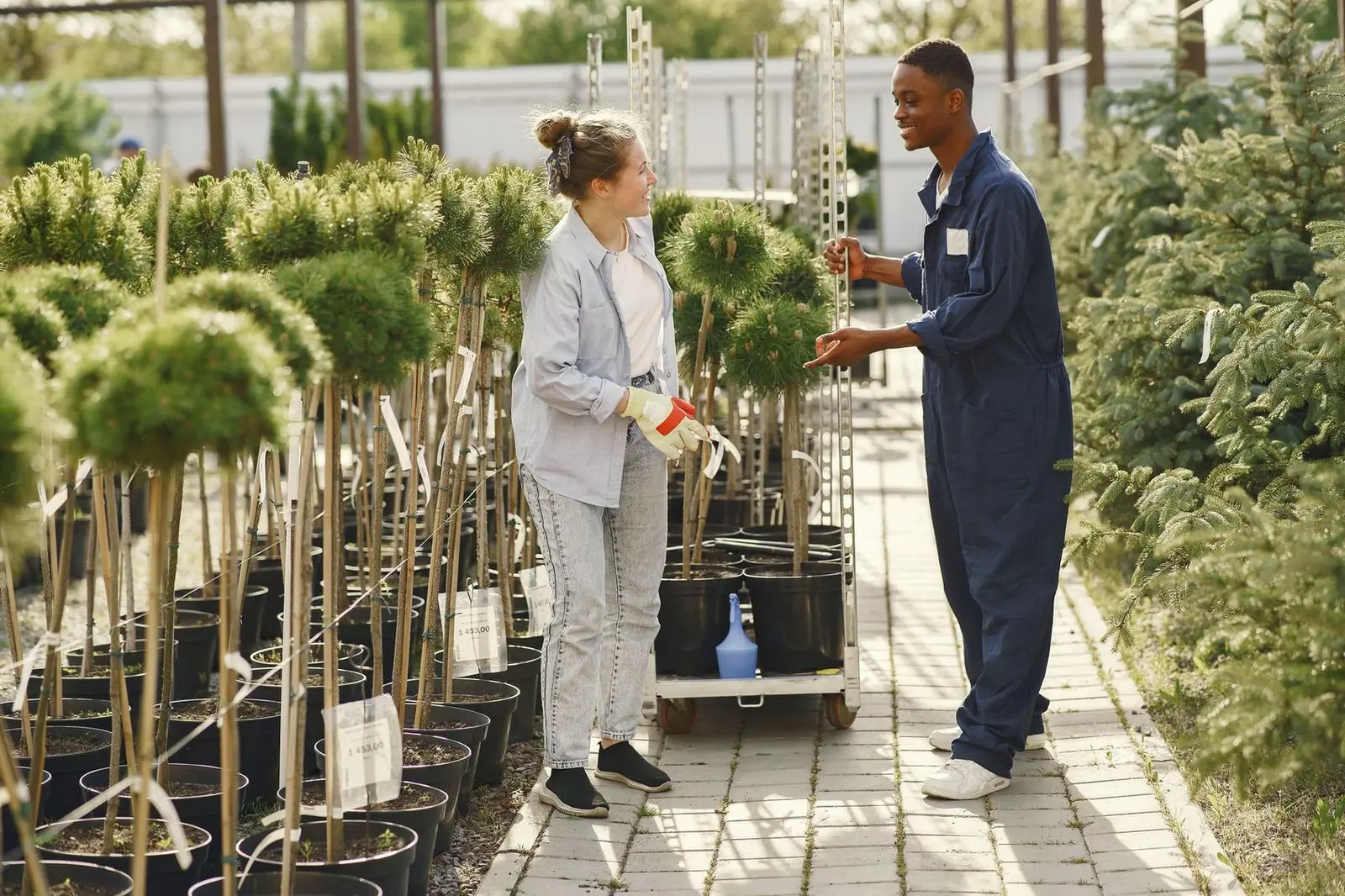
4. Preparing the site
While the seedlings grow, the planting site gets ready. That can mean clearing aggressive weeds, marking out spacing, and making sure the land is protected from grazing animals. Spacing depends on the species and the goal, but a few meters between trees is common.
Just as important is agreement on the land: who owns it, and a commitment that it stays a forest rather than being cleared again a few years later.
5. Planting day
Timing is everything. Trees go in the ground at the start of the rainy season, so the rain does most of the watering while young roots settle in. Plant in the wrong season and many seedlings won’t survive their first dry spell.
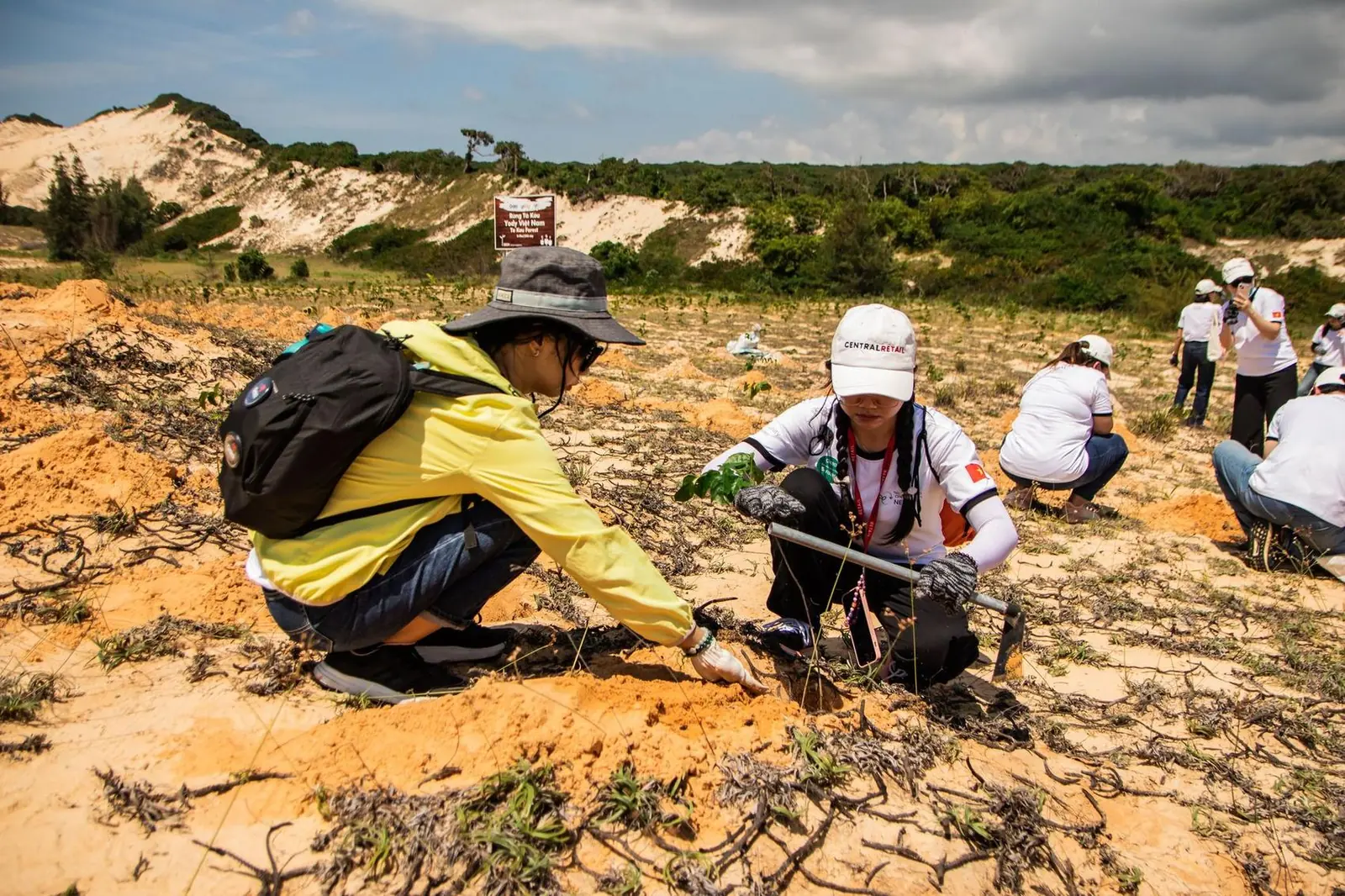
Each seedling goes into a hole deep enough for its roots, soil is pressed firmly around it, and the spot is often mulched to hold moisture. Experienced planters can put in hundreds of trees a day.
6. The part people forget: looking after them
Planting is the start, not the finish. The first two years decide whether a tree makes it. Teams come back to:
- Weed around young trees so they aren’t smothered.
- Check survival and note which trees have died.
- Replant gaps with new seedlings, so the planting stays complete.
That last point matters for anyone buying trees. If a project doesn’t replace the trees that fail, a “100-tree” planting can quietly become a 60-tree planting.
7. Recording it properly
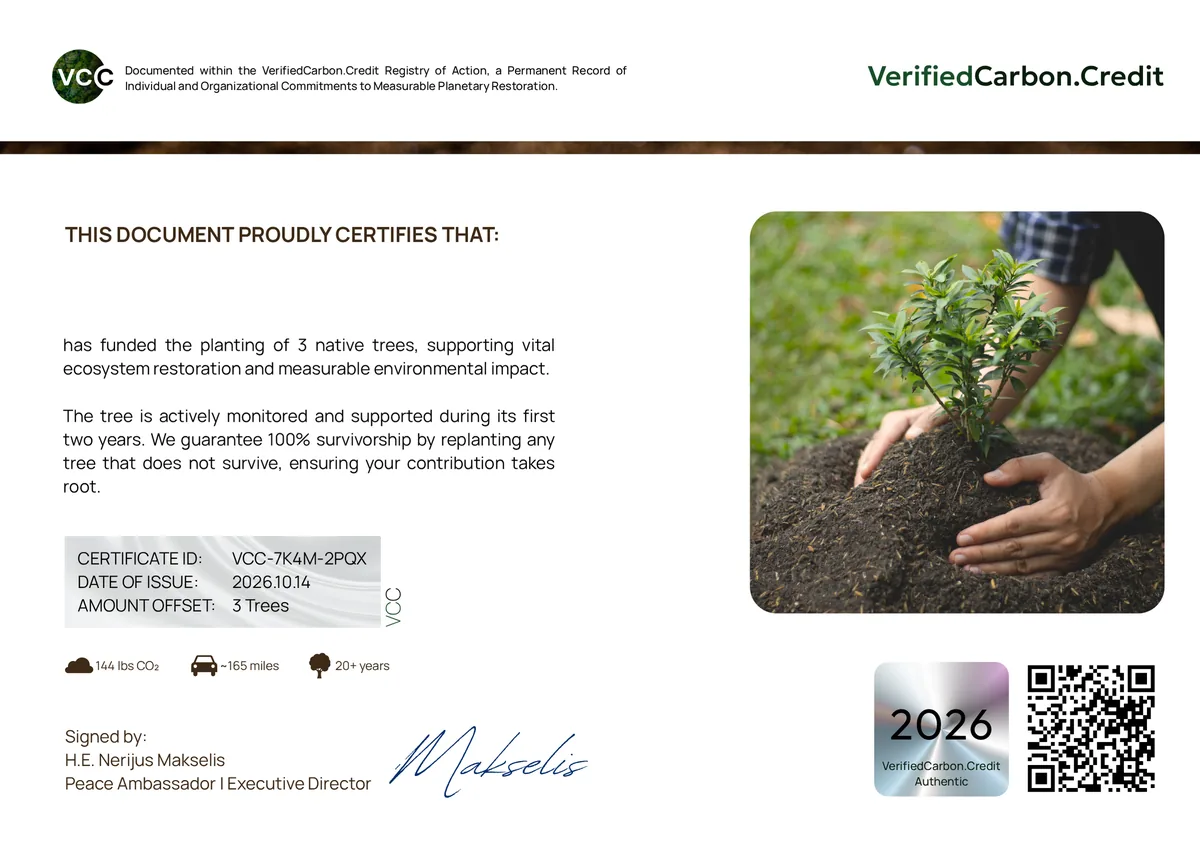
Finally, each planting has to be counted once and only once. That means recording which trees belong to which order and giving each certificate its own ID. When you get a certificate from us, you can type its ID on our verify page and see the record for yourself.
What this means when you buy trees
When you’re comparing tree-planting gifts or programs, a few questions cover most of what you need to know:
- Are the trees native and planted in a mix?
- Who plants them, and on whose land?
- What happens to trees that don’t survive?
- Is each planting recorded with an ID you can check?
A good project is happy to answer all four. If the answers are vague, the trees might be too.
For a deeper look at the numbers behind trees and CO₂, read how many trees it takes to offset a ton.
Common questions
How long do seedlings stay in the nursery?
Usually between three and twelve months, depending on the species and how big the seedling needs to be before planting.
When are trees planted?
At the start of the local rainy season, so the young trees get natural watering while their roots settle.
What happens if a tree dies after planting?
We check every tree for two years after planting and replace any that fail, at no extra cost.
Your name